There’s something deeply comforting about a bowl of hearty beef stew. Rooted in generations of home cooking from cultures around the world — from French boeuf bourguignon to Irish stew — this rustic dish brings warmth, richness, and tenderness with every spoonful.
Made with melt-in-your-mouth chunks of beef, slow-simmered vegetables, and a savory, aromatic broth, beef stew is a timeless favorite for cold evenings, lazy Sundays, or when you simply crave something soulful.
This version of beef stew is designed for deep flavor, balanced texture, and slow-cooked satisfaction. Whether served over mashed potatoes, with crusty bread, or simply on its own, it’s a meal that fills the house with a mouthwatering aroma — and fills bellies with lasting comfort.
Ingredients Overview
The success of beef stew begins with quality ingredients. Here’s a breakdown of the components that make this stew so rich and flavorful:
Beef Chuck
Beef chuck is the ideal cut for stew — it’s marbled with just enough fat to turn juicy and tender during long, slow cooking. Unlike lean cuts, chuck doesn’t dry out or toughen. If unavailable, stewing beef or brisket are suitable alternatives.
Tip: Cut into uniform 1½-inch cubes for even cooking and texture.
Onions & Garlic
A foundation of savory flavor, onions lend sweetness as they soften, while garlic adds depth and aroma. Yellow onions are most common, but white or even shallots work well.
Carrots & Celery
These classic aromatics give stew its base body and color. Carrots bring subtle sweetness and texture, while celery adds an earthy undertone. Dice them evenly for a uniform cook.
Potatoes
Waxy varieties like Yukon Gold or red potatoes hold their shape best. They absorb flavor while remaining satisfyingly firm. Russets can be used but may break down and thicken the stew more.
Tomato Paste & Worcestershire Sauce
These two ingredients create umami depth. Tomato paste offers concentrated tang and body, while Worcestershire contributes a subtle savory punch.
Beef Broth
Use low-sodium beef broth for full control over salt levels. For extra richness, mix in a cup of red wine or bone broth.
Herbs & Seasoning
Bay leaves, thyme, and parsley provide traditional herbaceous notes. Fresh thyme is especially aromatic, but dried can be used in smaller quantity.
Flour or Cornstarch (Optional)
For a slightly thicker stew, dredge the beef in flour before searing or add a cornstarch slurry near the end. This also helps build a glossy, velvety texture.
Olive Oil or Butter
Used for searing the meat and sautéing the vegetables. Olive oil adds a fruity richness; butter gives a touch of indulgence.
Step-by-Step Instructions
1. Sear the Beef
Start by patting the beef chunks dry with paper towels. This helps them brown instead of steam. Season with salt and pepper, then dredge lightly in flour if you want a thicker stew.
In a heavy-bottomed pot or Dutch oven, heat oil over medium-high heat. Sear the beef in batches without crowding the pan, getting a deep brown crust on all sides. Set aside.
2. Sauté the Aromatics
In the same pot, reduce heat to medium. Add a bit more oil if needed and sauté chopped onions until translucent, about 5–6 minutes. Stir in garlic, carrots, and celery. Cook until fragrant and slightly tender, another 5 minutes.
Scrape up any browned bits from the bottom — they’re flavor gold.
3. Build the Flavor
Stir in tomato paste and cook for 2 minutes to deepen its flavor. Add a splash of wine or broth to deglaze, stirring to loosen anything stuck to the pot.
Return the beef to the pot. Pour in remaining broth, just enough to cover the ingredients. Add Worcestershire, bay leaves, and thyme. Bring to a simmer.
4. Slow Simmer
Cover and simmer on low for 1½ to 2 hours, or until the beef is fork-tender. Stir occasionally, checking the liquid level and skimming any excess fat.
For even richer flavor, cook uncovered for the last 30 minutes to reduce and concentrate the broth.
5. Add Potatoes
Add diced potatoes in the final 30–40 minutes of simmering. They should be tender but not mushy.
Taste and adjust salt, pepper, or acidity with a splash of vinegar if needed.
6. Finish and Serve
Remove bay leaves and thyme stems. Stir in chopped parsley for a fresh lift. Ladle into bowls and serve piping hot.
Tips, Variations & Substitutions
Pro Cooking Tips
-
Sear properly: Don’t rush the browning step. It develops the stew’s rich base flavor.
-
Low and slow: A gentle simmer over time ensures tender meat and deep taste.
-
Day-after magic: Beef stew is often even tastier the next day as flavors meld.
Variations
-
Red Wine Stew: Add a cup of dry red wine (like Cabernet or Pinot Noir) after sautéing vegetables for a more robust, French-style flavor.
-
Guinness Irish Stew: Replace part of the broth with stout for malty richness.
-
Spiced Version: Add smoked paprika, cumin, or even a pinch of cinnamon for Moroccan influence.
Substitutions
-
Gluten-Free: Skip flour or use cornstarch to thicken at the end.
-
Low-Carb: Omit potatoes and use turnips or cauliflower instead.
-
Vegetarian: Swap beef with mushrooms and chickpeas, and use vegetable broth.
Serving Ideas & Occasions
Beef stew is ideal for family dinners, winter gatherings, or cozy weekend cooking.
-
Serve with: Buttery mashed potatoes, creamy polenta, or a crusty baguette.
-
Add freshness: Pair with a simple green salad or steamed green beans.
-
Drinks: Red wine (Cabernet or Zinfandel) or dark beer balances the stew’s depth.
-
Occasions: It’s a go-to for holiday leftovers, freezer-friendly meal prep, or a Sunday supper tradition.
The scent of stew simmering on the stove is a nostalgic treat that brings comfort and conversation to the table.
Nutritional & Health Notes
Beef stew offers a balanced mix of protein, fiber, and complex carbohydrates.
-
Protein: Beef provides high-quality protein, essential for muscle repair and energy.
-
Vitamins: Carrots and potatoes offer vitamin A, C, and potassium.
-
Fiber: A medley of vegetables helps support digestion and satiety.
-
Adjustments: To reduce calories or saturated fat, use leaner beef cuts and minimal oil. Adding extra vegetables can boost volume without excess calories.
For those following lower-sodium or anti-inflammatory diets, opt for low-sodium broth and fresh herbs rather than seasoning packets or bouillon cubes.
FAQs
Q1: What is the best cut of beef for stew?
A1: Chuck roast is the most commonly recommended cut for stew. It’s affordable, well-marbled, and becomes tender with slow cooking. Avoid lean cuts like sirloin, which can become tough.
Q2: How can I thicken beef stew without flour?
A2: You can use cornstarch, arrowroot, or reduce the liquid by simmering uncovered. Mashed potatoes or puréed cooked vegetables also add natural thickness.
Q3: Can beef stew be made in a slow cooker?
A3: Yes! After searing the beef and sautéing vegetables, transfer everything to a slow cooker. Cook on low for 7–8 hours or high for 4–5 hours. Add potatoes halfway through to prevent overcooking.
Q4: How do I store and reheat leftovers?
A4: Cool stew completely before transferring to airtight containers. It will keep in the fridge for 4 days or freeze for up to 3 months. Reheat gently on the stove or in the microwave with a splash of broth.
Q5: Can I make beef stew without wine?
A5: Absolutely. Wine adds depth, but you can substitute with extra beef broth, a splash of balsamic vinegar, or even unsweetened cranberry juice for acidity.
Q6: Why is my beef stew meat tough?
A6: It likely hasn’t cooked long enough. Stewing beef needs time to break down connective tissue. Simmer gently for at least 90 minutes and avoid boiling, which can toughen meat.
Q7: What vegetables go well in beef stew?
A7: Carrots, potatoes, celery, onions, parsnips, and mushrooms are all excellent. For added color and nutrients, consider green beans, peas, or kale added near the end of cooking.
Recipe Card
Description: A comforting and flavorful homemade beef stew made with tender chunks of beef, root vegetables, and a rich, savory broth — perfect for cozy dinners or make-ahead meals.
Ingredients:
-
2 lbs beef chuck, cut into 1½-inch cubes
-
2 tbsp olive oil
-
Salt and black pepper
-
2 tbsp flour (optional, for dredging)
-
1 large yellow onion, chopped
-
3 cloves garlic, minced
-
3 carrots, peeled and chopped
-
2 celery stalks, chopped
-
2 tbsp tomato paste
-
4 cups low-sodium beef broth
-
1 tbsp Worcestershire sauce
-
1½ lbs Yukon Gold potatoes, diced
-
2 bay leaves
-
1 tsp fresh thyme (or ½ tsp dried)
-
Fresh parsley, chopped (for garnish)
Instructions:
-
Pat beef dry, season with salt and pepper, and dredge in flour if desired.
-
Heat oil in a Dutch oven. Brown beef in batches; remove and set aside.
-
In same pot, sauté onions until soft. Add garlic, carrots, and celery; cook 5 minutes.
-
Stir in tomato paste. Deglaze with broth or wine.
-
Return beef to pot. Add remaining broth, Worcestershire, herbs, and bay leaves.
-
Bring to a simmer. Cover and cook on low for 1½ to 2 hours, stirring occasionally.
-
Add potatoes and cook another 30–40 minutes until tender.
-
Remove bay leaves, adjust seasoning, and garnish with parsley before serving.
Notes:
-
For gluten-free: skip flour or use cornstarch slurry.
-
For richer flavor: add 1 cup red wine.
-
Store refrigerated up to 4 days or freeze for 3 months.
Details:
-
Prep Time: 20 minutes
-
Cook Time: 2 hours
-
Total Time: 2 hours 20 minutes
-
Yield: 6 servings
-
Calories: ~450 per serving
-
Course: Dinner, Main Course
-
Cuisine: American, European-Inspired
You said:
website article said:
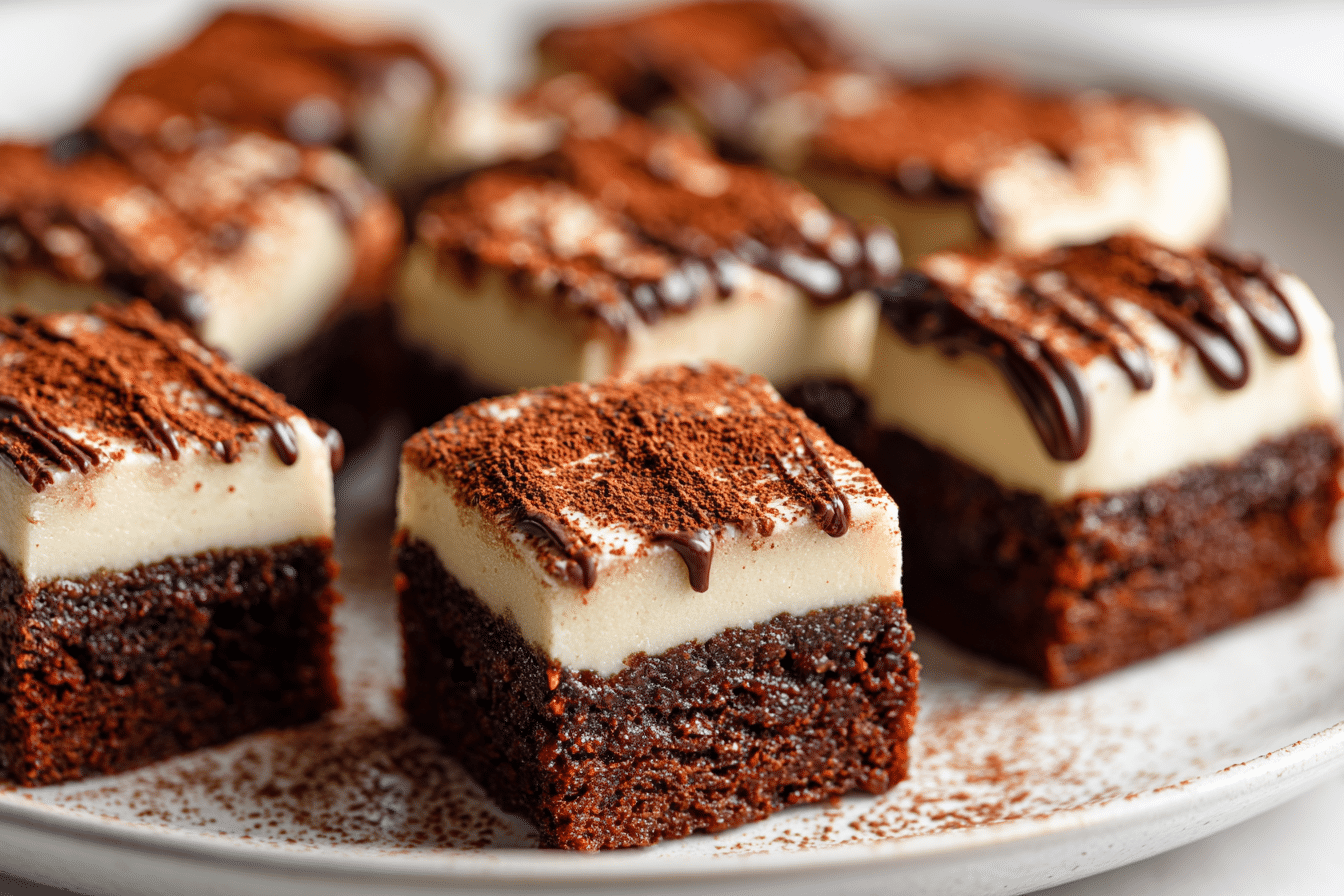
Easy Tiramisu Brownies – A Rich Coffee-Infused Dessert Mashup
Introduction
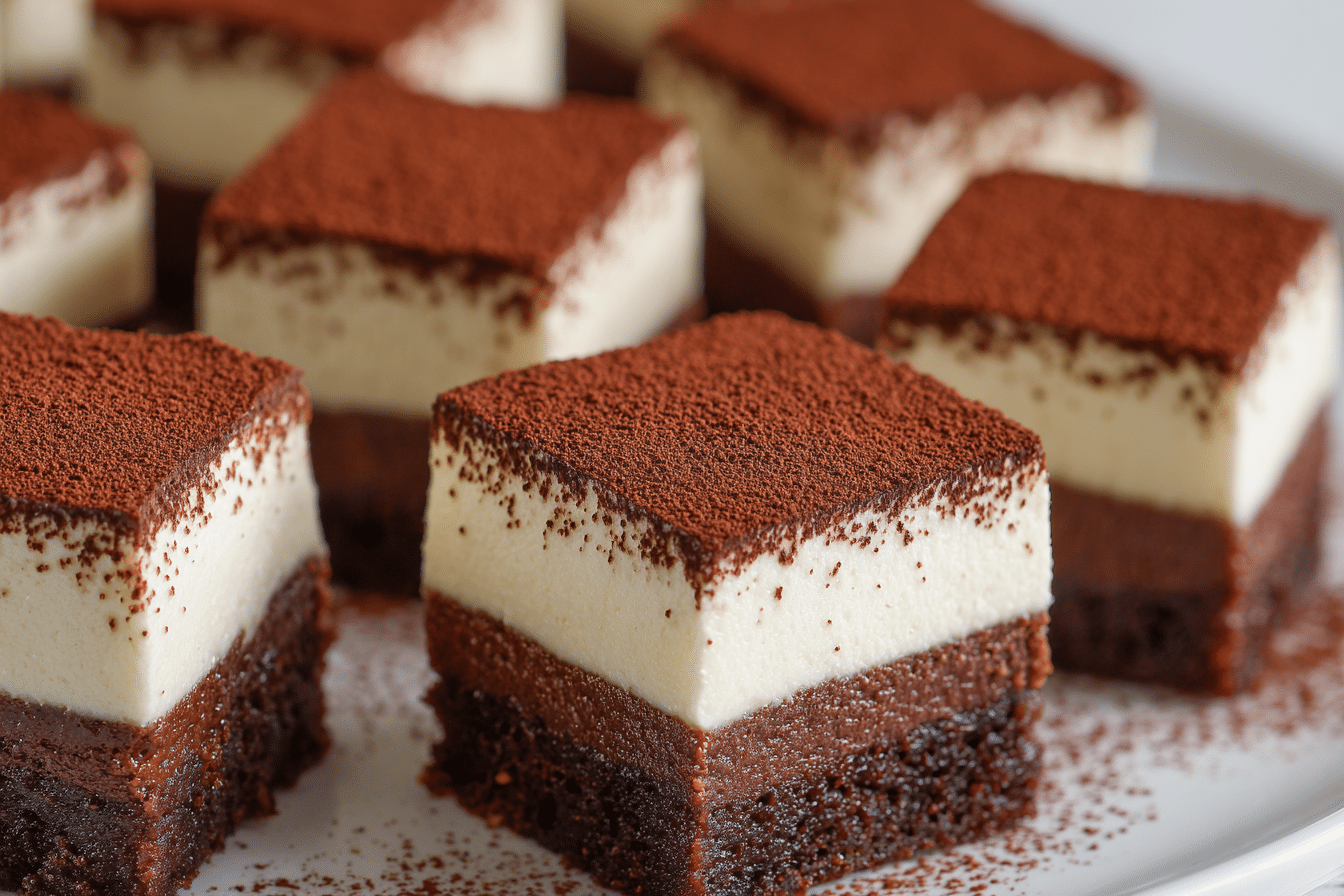
Tiramisu brownies combine two iconic desserts into one indulgent bite: the fudgy decadence of a chocolate brownie and the creamy, espresso-soaked elegance of traditional tiramisu. The result? A layered treat with bold flavor, contrasting textures, and an irresistible balance of chocolate, coffee, and mascarpone.
Rooted in the Italian tradition of tiramisu — which means “pick me up” — this modern twist retains all the essentials: espresso, mascarpone, and cocoa. But instead of ladyfingers, it uses a dense brownie base that soaks in the same bold flavor, turning a classic into a comforting, bake-and-slice dessert.
Whether you’re serving a crowd or looking to elevate your weeknight baking, these tiramisu brownies deliver both flavor and flair with minimal effort.
Ingredients Overview
Each layer of these tiramisu brownies contributes to their richness and complexity. Here’s what you’ll need and how each element works:
Brownie Base
-
Butter: Provides richness and moisture. Use unsalted butter for better control over salt levels.
-
Dark Chocolate or Cocoa Powder: Offers intense chocolate flavor. Use high-quality chocolate or Dutch-processed cocoa.
-
Sugar: A combination of granulated and brown sugar deepens flavor and keeps the crumb soft.
-
Eggs: Bind the batter and give it structure and chewiness.
-
All-Purpose Flour: Just enough to set the brownies while keeping them fudgy.
-
Espresso Powder (Optional): Enhances the chocolate flavor subtly.
Tiramisu Cream Layer
-
Mascarpone Cheese: Essential for that authentic tiramisu flavor. It’s creamy, mild, and slightly tangy.
-
Egg Yolk or Whole Egg: Helps bind the mascarpone layer when baked.
-
Sugar: Sweetens the cream and balances the coffee.
-
Vanilla Extract: Adds warmth and roundness.
-
Heavy Cream or Whipped Cream: Lightens the mascarpone mixture for a smooth texture.
Coffee Soak
-
Espresso or Strong Brewed Coffee: Brushed over the brownie base for that tiramisu signature.
-
Coffee Liqueur (Optional): A splash of Kahlúa or similar liqueur brings depth.
-
Sugar: Dissolved into the coffee to mellow the bitterness if needed.
Cocoa Powder (for dusting)
A final dusting of unsweetened cocoa adds visual appeal and a touch of bitterness to balance the sweetness.
Step-by-Step Instructions
1. Prepare the Brownie Layer
Start by preheating your oven to 350°F (175°C). Line an 8×8-inch baking pan with parchment paper, leaving overhang on the sides.
In a saucepan or microwave-safe bowl, melt butter and chopped dark chocolate together until smooth. Let cool slightly.
Whisk in sugars and eggs one at a time until the mixture is glossy and thick. Stir in vanilla and a pinch of salt. Sift in flour and cocoa powder (if using), and fold until just combined.
Pour the brownie batter into the prepared pan and smooth the top.
2. Make the Mascarpone Layer
In a medium bowl, whisk mascarpone, sugar, egg (or yolk), and vanilla extract until creamy and smooth. Add a few tablespoons of whipped cream or heavy cream to loosen the texture slightly, creating a custard-like consistency.
Gently spread the mascarpone mixture over the brownie batter in an even layer. Be careful not to press too hard or swirl excessively.
3. Bake
Bake for 35–40 minutes, or until the center is just set and a toothpick comes out with a few moist crumbs. The top should be pale golden and slightly puffed.
Allow to cool completely in the pan. Chill for at least 2 hours (or overnight) for the best texture and flavor fusion.
4. Coffee Soak
Once chilled, brush or drizzle the surface with cooled espresso or strong coffee mixed with a touch of sugar and optional coffee liqueur. Let it absorb for 10–15 minutes.
This mimics the espresso-dipped ladyfingers of tiramisu, infusing the top layer with aromatic depth.
5. Finish and Serve
Dust the top generously with unsweetened cocoa powder using a fine mesh sieve. Slice into squares with a clean, sharp knife (wipe between cuts for neat edges).
Serve cold or at room temperature — both are delicious. Each bite delivers layers of deep chocolate, silky cream, and bold espresso.
Tips, Variations & Substitutions
Pro Tips
-
Don’t overbake: The key to fudgy brownies is pulling them out when the center is just barely set.
-
Chill overnight: Like classic tiramisu, the flavor improves as it rests.
-
Use real espresso: It gives the cleanest, boldest coffee flavor.
Variations
-
Alcohol-Free: Skip the liqueur and use extra vanilla or a splash of almond extract in the soak.
-
Swirled Version: Gently swirl the mascarpone layer into the brownie layer for a marbled effect.
-
Mocha Brownies: Add espresso powder directly into the brownie batter for a stronger coffee profile.
Substitutions
-
Cream Cheese: Can be used in place of mascarpone, though the flavor will be tangier.
-
Gluten-Free: Use a 1:1 gluten-free flour blend.
-
Dairy-Free: Substitute dairy-free butter and a vegan cream cheese for a plant-based take (note: texture may vary slightly).
Serving Ideas & Occasions
Tiramisu brownies are a showstopping treat for both casual and elegant settings:
-
Serve at: Dinner parties, coffee dates, potlucks, or brunch tables.
-
With: A dusting of chocolate shavings, a dollop of whipped cream, or a sprinkle of espresso beans for texture.
-
Drinks: Pair with espresso, cappuccino, or a dessert wine like Vin Santo or amaretto.
They make thoughtful gifts or holiday tray bakes, especially when cut into petite, elegant squares.
Nutritional & Health Notes
While tiramisu brownies are certainly a decadent treat, you can make small changes for balance:
-
Calories: Averaging around 300–350 per piece, depending on size and ingredients.
-
Sugar & Fat: Moderately high due to mascarpone and chocolate — portion control is key.
-
Protein: Mascarpone and eggs provide a small protein boost.
-
Lighter Options: Use reduced-fat mascarpone or swap half the sugar for coconut sugar to lower the glycemic load.
For those with dietary restrictions, you can modify ingredients to create gluten-free or lower-sugar versions without losing the essence of the dessert.
FAQs
Q1: Can I make tiramisu brownies ahead of time?
A1: Yes! These brownies taste even better after chilling overnight. They store beautifully in the fridge for 3–4 days and freeze well for up to a month.
Q2: Can I use instant coffee instead of espresso?
A2: You can, but espresso delivers a cleaner, more intense flavor. If using instant coffee, dissolve 1–2 teaspoons in a small amount of hot water and cool before using.
Q3: What can I use instead of mascarpone?
A3: Cream cheese is the closest substitute, though it’s tangier. To mimic mascarpone’s richness, blend cream cheese with a bit of heavy cream or sour cream.
Q4: Do tiramisu brownies need to be refrigerated?
A4: Yes, because of the mascarpone layer, these should be stored in the fridge. Bring to room temperature before serving for the best texture.
Q5: How do I get clean slices?
A5: Chill the brownies completely before cutting. Use a sharp knife and wipe it clean between slices. You can also heat the knife under hot water for neater edges.
Q6: Can I make these alcohol-free?
A6: Absolutely. Just leave out the coffee liqueur or substitute with extra brewed coffee and a splash of vanilla extract.
Q7: Why did my mascarpone layer crack?
A7: Overbaking or using too high a temperature can cause cracking. Bake just until set, and avoid opening the oven door frequently.
Print
5 Stars 4 Stars 3 Stars 2 Stars 1 Star
No reviews
These tiramisu brownies are a rich dessert mashup of fudgy chocolate base, creamy mascarpone layer, and a bold espresso soak — finished with a dusting of cocoa for the perfect finish.
- Author: Maya Lawson
- Prep Time: 10 minutes
- Cook Time: 20 minutes
- Total Time: 30minutes
- Yield: 4–6 servings 1x
Ingredients
For the brownie layer:
-
½ cup (1 stick) unsalted butter
-
4 oz dark chocolate, chopped
-
¾ cup granulated sugar
-
¼ cup brown sugar
-
2 large eggs
-
1 tsp vanilla extract
-
½ cup all-purpose flour
-
2 tbsp cocoa powder
-
½ tsp salt
-
1 tsp instant espresso (optional)
For the mascarpone layer:
-
8 oz mascarpone cheese
-
1 egg yolk (or whole egg)
-
3 tbsp sugar
-
½ tsp vanilla extract
-
2–3 tbsp heavy cream
For the espresso soak:
-
¼ cup cooled espresso or strong coffee
-
1 tbsp coffee liqueur (optional)
-
1 tsp sugar (optional)
For topping:
-
1 tbsp unsweetened cocoa powder (for dusting)
Instructions
-
Preheat oven to 350°F. Line an 8×8-inch pan with parchment.
-
Melt butter and chocolate together; let cool slightly. Stir in sugars, eggs, and vanilla.
-
Fold in flour, cocoa powder, salt, and optional espresso powder. Pour into pan.
-
Mix mascarpone, egg yolk, sugar, vanilla, and cream until smooth. Spread over brownie layer.
-
Bake for 35–40 minutes, until just set. Cool completely, then chill at least 2 hours.
-
Brush top with coffee soak. Let rest 15 minutes.
-
Dust with cocoa powder. Slice and serve chilled or at room temperature.